Category: South Korea

Tourism for South Korea has continued to grow year upon year, with the nation offering many reasons to visit, from the giant Boryeong mud festival to spectacular views at Seoraksan national park, this place has something for everyone. The shoppers and clubbers can enjoy the city life, while people who want to get in touch with nature can enjoy the marvels which are around every corner. I’d strongly recommend having a read of my list of things to do in South Korea. There are 51 million people living in South Korea, however most are located in or around Seoul, with 10 million residents in this city alone! Something to make you feel a little ashamed if you are a Brit or from the USA, South Korea has one of the world’s lowest levels of obesity, at 3% of the nation. K-beauty has taken the Western world by storm, while its not just women, with 1/5 men in South Korea using make-up on a daily basis. I even tried the 10 step Korean skincare routine for one week to get an idea of the process many people go through, let’s just say it was pretty intense. K-pop has grown far beyond anyone could have imagined, with music becoming a key area for fame and fortune for boy bands breaking the billboards.

  • Living and Teaching English in South Korea

    Living and Teaching English in South Korea

    Living and teaching English in South Korea is a fantastic way to move beyond the tourist-tinted perspective of a country and really immerse yourself in a new culture. For many, this will also mean stepping outside of their comfort zones. However, it is also the opportunity of a lifetime to learn a new language, form new friendships, and learn more about the world that you live in. 

    Where to teach

    In South Korea, the choice with regard to schools comes down to whether you would like to teach in a public school or private. Both come with their own advantages and disadvantages, so it’s really a matter of preference. Public schools usually have bigger classes, and teachers work 22-24 hours a week on average, from Monday to Friday. The experience of working in a public school, under the Korean Ministry of Education, can also be more immersive as you may discover that you are the only native speaker working in that particular school. This makes it a great option for those wanting to practice the local language with their co-workers. 

    Private schools on the other hand generally offer higher rates of pay, though this is accompanied by longer days, and you could find yourself teaching 30 hours a week. Classes tend to be smaller, and you’ll have fellow ex-pat colleagues, giving you an automatic social circle of peers to connect with. Private schools are a good choice for those wanting to save some money whilst also getting to explore a new part of the world. Here’s a great guide to teach English in South Korea if you want further information on both the country and available TEFL courses.

    Getting set up 

    You can expect to pay up to 40% of your salary on a standard one-bedroom apartment in South Korea. Naturally, costs are likely to be higher in bigger cities, averaging around $700 a month in Seoul, and around $450 in Busan. If you would also like to drive, most driving licenses from across the world are accepted for use so long as they are accompanied by an international permit. You’ll need to acquire this in your home country before arriving in South Korea. Be aware that this combination of your license and an international permit is only valid for one year, and is not renewable. After this, you’ll have to start the lengthier process of exchanging your license for a Korean one. 

    Opening a bank account is relatively straightforward. You should go in person, no appointment necessary, and bring all of the relevant documents with you. Most branches will have staff who speak English, especially in bigger cities like Seoul. You’ll need your Alien Residence Card (ARC), your visa, and your Korean phone number. Bring your proof of employment just in case too. Also note that the banking hours could differ to your home country’s, and as a rule of thumb, banks are typically closed over the weekend. 

    Work-life balance

    An interesting cultural shift has been taking place in South Korea amongst the younger generation, who have started pushing back against the pressure to be high achievers. South Korea is known for having a high-pressure society, but with a rise in depression and loneliness, more people are starting to embrace a culture of resting. The emerging culture has taken the form of a rising number of young people resigning from their jobs and prioritizing their happiness and confidence. This works in the favor of those wanting to live and teach in South Korea, but who may have previously been intimidated by the infamous intense work ethic there.

    When looking for your own way to wind down after a day of teaching, visiting the Gwangjang Market is a popular choice for those that are based in Seoul. Whilst Western food can usually be found in the bigger cities, the market is a chance to get a real taste of South Korea. With around 200 food stalls and plenty of benches to grab a seat, there’s everything from kimchi to seafood and lots of the Korean dietary staple: rice. You can find more tips on what else you can get up to on my article on things to do in South Korea.


    Cultural norms 

    It can be easy to accidentally offend people from cultures that are vastly different from your own if you are not versed in what you shouldn’t be doing. In South Korea one of the big cultural no-no’s involves feet. Typically seen as dirty, avoid sitting cross-legged in public spaces, propping your feet on train or bus seats, and expect to remove your shoes if entering someone’s home. In addition to this, as a teacher, you should steer clear of marking in red pen, as this is the color used to write the names of the dead. Lastly, if you are in a rush, don’t be tempted to eat or drink on the go as it isn’t a common phenomenon and you may be considered rude. 

    Knowing what to do is equally important, and when eating at someone’s home, you should always wait for someone to pour your drink for you, and then likewise do it for someone else. Mealtimes are usually enjoyed in silence, so embrace these quiet moments too to be considered a polite part of Korean culture. When using chopsticks, do also remember to rest them alongside your plate, careful not to leave them standing up or pointing at anyone. If in doubt, follow the example of others at the table, or simply ask. 


    With all of the above information, making the step to live and teach in South Korea should feel both far more attainable and far less daunting. It is only a matter of doing your research, and being as prepared as possible before your arrival. Teach through example by not being afraid to make mistakes. Instead utilize them as opportunities to learn from, be them a social faux pas or linguistic, just like you’d expect your students to. The rest, and how you choose to spend your time in South Korea, is entirely up to you. 
  • 17 Things To Do In South Korea

    17 Things To Do In South Korea

    South Korea has some amazing things to do and see, including gorgeous food, a mud festival and some of the most friendly people in the world. This country is fast becoming a popular place to visit, somewhere that often has been ignored on the South East Asia backpacking tour guide. Have a read through my top list of things to do in South Korea.

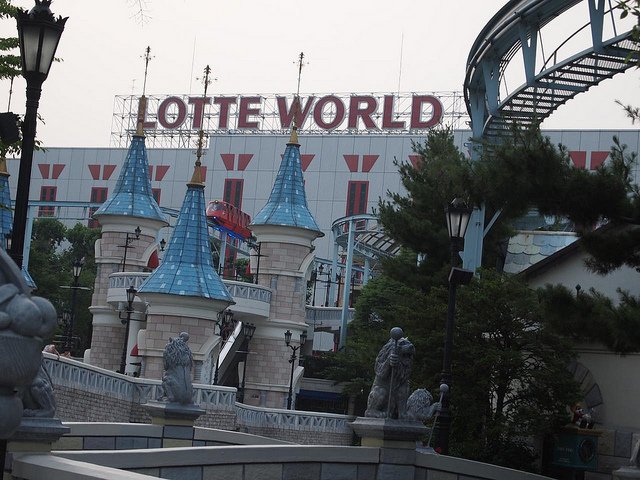
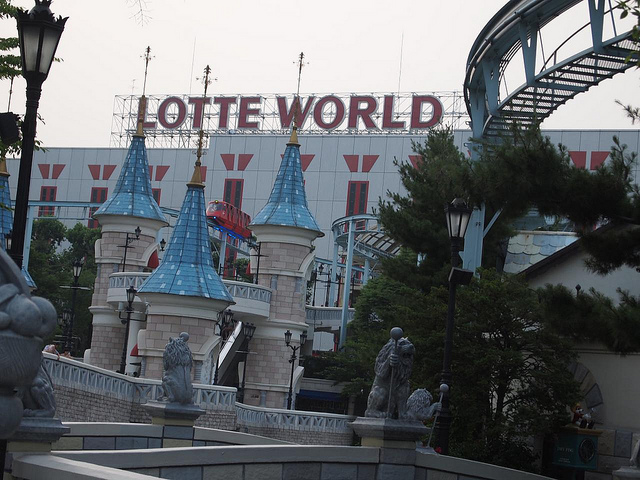
    1. Lotte World

    This is the largest theme park in the entire world, a giant recreation complex in Seoul that was opened in 1989. With over 8 million visitors each year, and growing, this is easily one of the most popular tourist attractions. To be honest, this doesn’t overly appeal to me, however the amount of people I know that want to visit is pretty high, so I guess it can’t be left of the list. Plus it is pretty cool to say you’ve been to the biggest theme park in the world.

    by Walter Lim

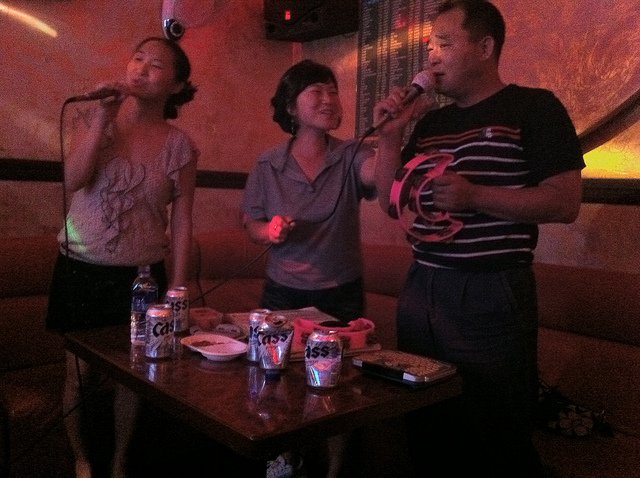
    2. Try Karaoke In A Noraebang

    Found all over the country, karaoke is huge in this part of Asia. Back home this is a silly Thursday night laugh that we will give a try every six months once we’ve had a few too many to drink, however in Asia it is considered a much greater thing to do. You can hire out a room with your friends, so you don’t have to embarrass yourself in front of randomers. These style of rooms, known as noraebang’s, have made their way over to the UK but are still limited. This is also a sure fire way to break the ice if you head with people from your hostel.

    by Jeffrey Tripp

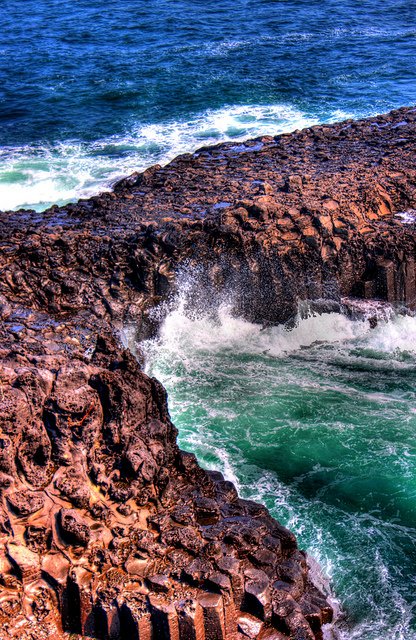
    3. Jeju-do Island

    This island is located just a short distance off the coast of South Korea and is definitely worth a visit. It has something for literally everyone, including mountains to trek up or to eat picnics in, overlooking the stunning landscape, the Manjang caves formed by cooling lava tubes or even the grandfather stones. You can also try some watersports here, with many people trying scuba diving, although if you have never done this before, there aren’t many scuba diving schools, so I’d only give this a try if you are experienced and know what you’re doing. But best of all is ‘Loveland’, a theme park dedicated to sex and everything to do with it.

    by Jan-Christian Teller

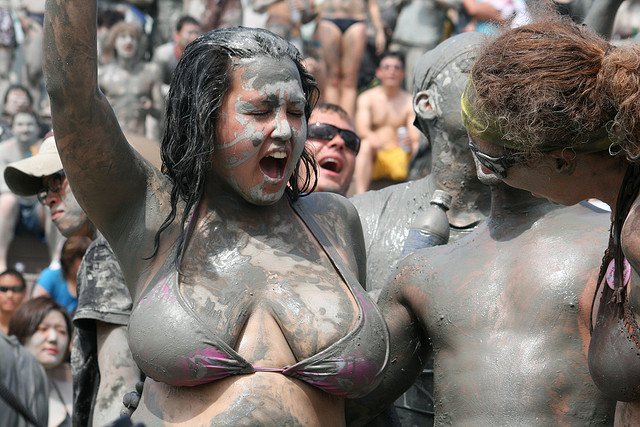
    4. Boryeong Mud Festival

    This is a brilliant event that has made it onto my list of the best festivals in the world. Every July, just south of Seoul, around 2 million people gather for a massive mud fight. The first one was run only recently in 1998, however in 2007 it had already reached 2.2 million visitors, with more expected with every year that passes by as this glorious celebration of mud wrestling continues to grow and become a must-have for many.

    by Hypnotica Studios Infinite

    5. Darangee Village

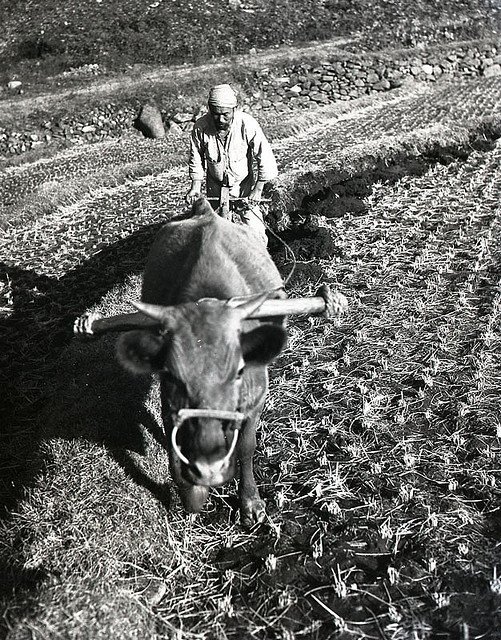
    You will recognise the landscape and images from many postcards and images of South Korea, despite the fact that this is a very small and well preserved village. Located perfectly on a mountain slope, opening up to the sea, the rice fields are something I have never seen anywhere else. Many of the buildings also have flowers painted onto the rooftops, while you will witness traditional farming methods put into practice.

    by Don O’Brien

    6. Gyeongbok Palace

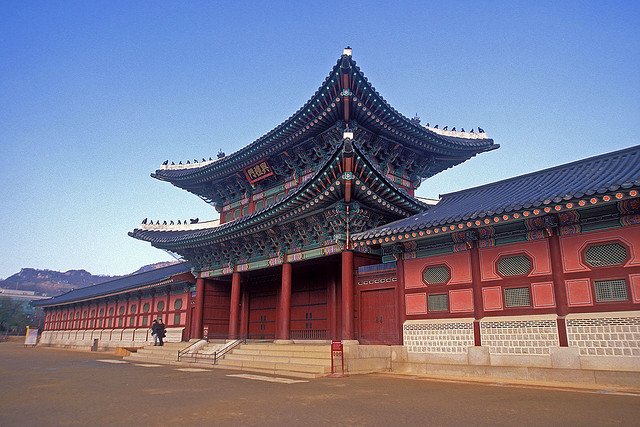
    This former palace was built in the 14th century (however it was reconstructed in 1867 as a fire burned the actual building down) and is a true symbol of South Korea, the equivalent of the Eiffel Tower, Big Ben or the Taj Mahal. A complete tour of the building will take you about two hours, while it is also perfectly located to other sites you should see during your visit.

    by LASZLO ILYES

    7. Namsam Tower

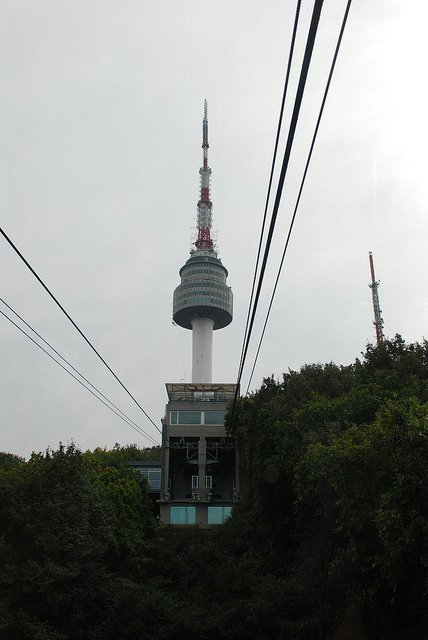
    I often try to make sure I limit my ‘things to do’ articles to be based on something to do in each city, but Seoul has so much to complete, it would be wrong to leave it out. The tower itself isn’t very attractive in my opinion, however the view of Seoul from the top is breath-taking. Entry is around £9 (trying to work out the conversion rate in my head), while you will be offered a complete 360 view. The difficult choice you have to make is whether to visit during the day or at night.

    8. Check Out A National Park

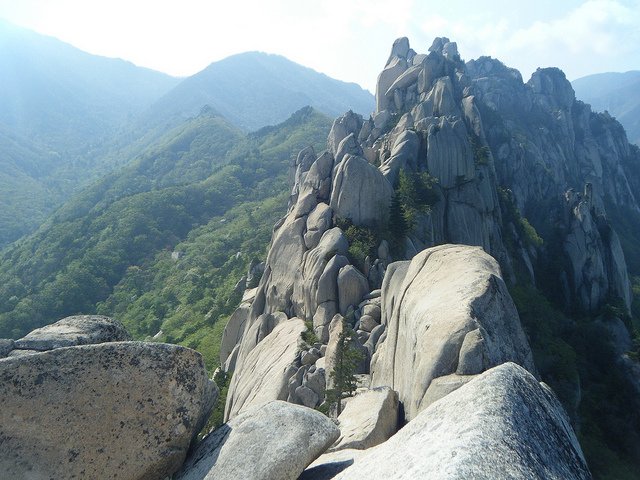
    Whether it be Seoraksan, Jirisan or Wolchulsan National Park, you are spoilt for choice. If you’re a strong hiker then this really is a great country to visit. You should also make the most of the mountain lodges

    9. Play Golf

    South Korea is full of amazing golf courses, perfect for a game with your new found hostel mates. The golf courses also include areas to eat and plenty of other activities, so you’re sorted for the whole day.

    10. Try Korean Beauty

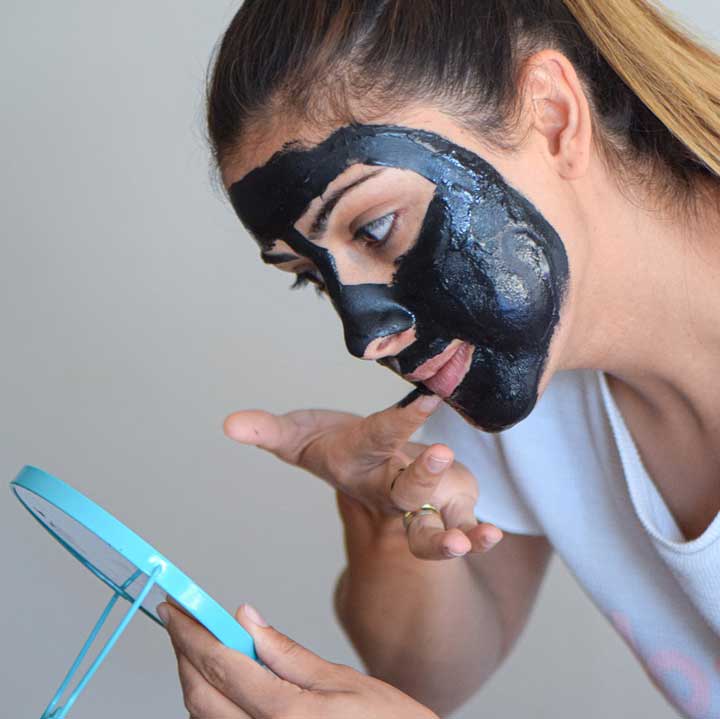
    I’ve written in the past about trying the 10 Step Korean Skincare Routine while working for a beauty brand, which opened my eyes to the extreme lengths many people in Korea go through to have incredibly clear skin. I might not still do all those steps, but I can’t say no to a sheet mask and Korea has such an amazing mix of them, including every ingredient under the sun.

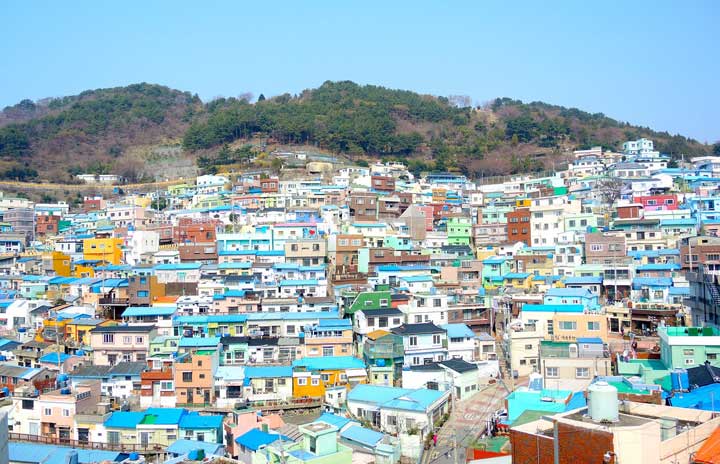
    11. Busan Gamcheon Culture Village

    This is a calm village with beautifully coloured buildings, which makes for some great photos. Incredible art on the buildings make this a must on your visit to Korea, however it is slowly becoming a little bit of a tourist trap. The neighbourhood is kept impeccably clean, however make sure to keep energy levels up as there is plenty of walking to do (unless you want to be on a stuffy bus).

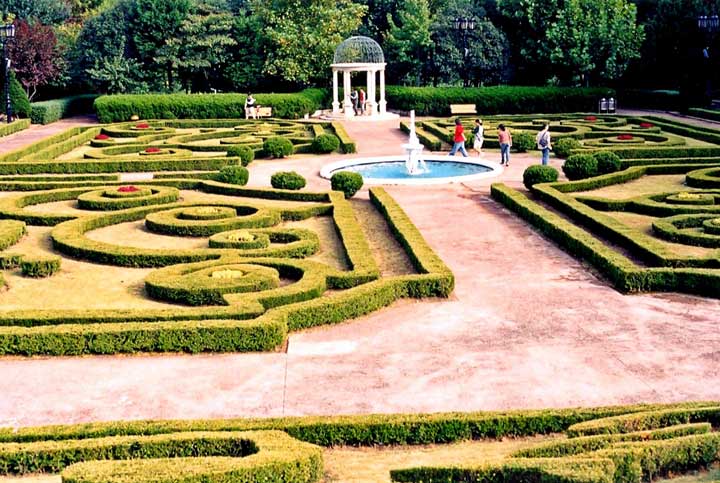
    12. Spirited Garden

    It’s crazy to think this was nothing more than a wasteland before Director Sung set about converting this land into a beautiful garden in 1968. The owner is also well known as friendly and approachable, meaning you can get into a deep conversation about the history of the Spirited Garden and the eye catching bonsai trees.

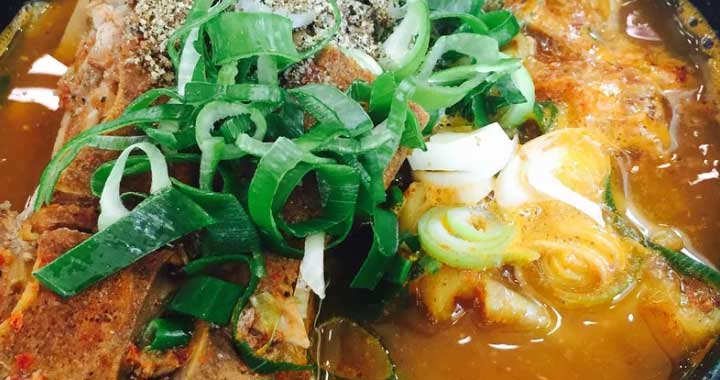
    13. Eat Some Hangover Soup

    Hangover stew, hangover soup, Sulguk or Haejang-guk, which ever name you go for, this is a must to try. Expect some dried Napa cabbage, vegetables and meat in a scrumptious broth, the ultimate option after a night of heavy drinking!

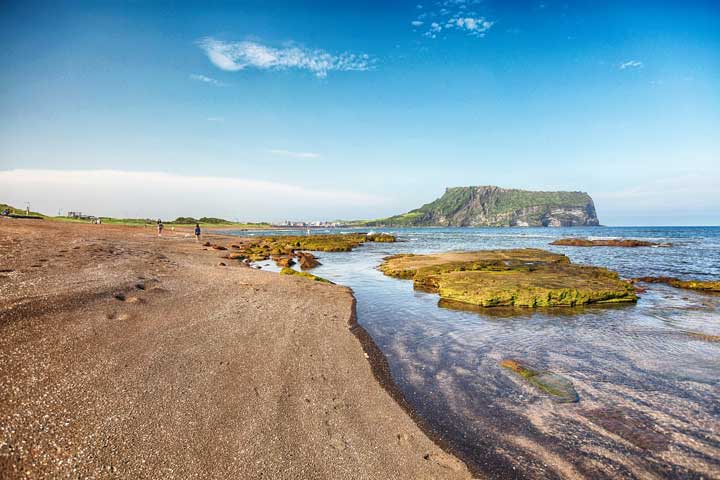
    14. Jeju Olle Trail Route

    The Jeju island is certainly worth exploring amongst the various routes, especially the black volcanic rock coastline. The trails will take you through the forest, along the beach and over the hillside. The walk will take around 5 hours to complete, so make sure to leave nice and early.

    15. Hamdeok Beach

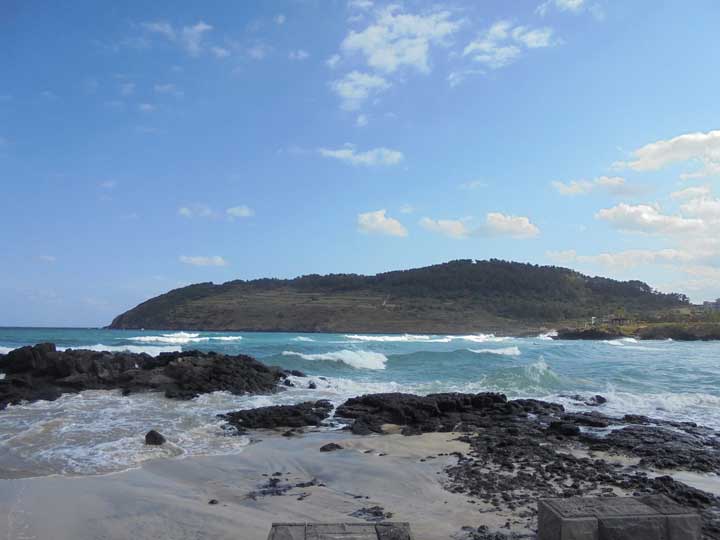
    The beautiful greeny blue water is something you can’t help but admire, especially when you’re used to the murky water of Brighton! The emerald water is perfectly matched with clear white sand and black rocks, however they occasionally suffer from excessive rubbish left over by tourists.

    16. Eat Macarons

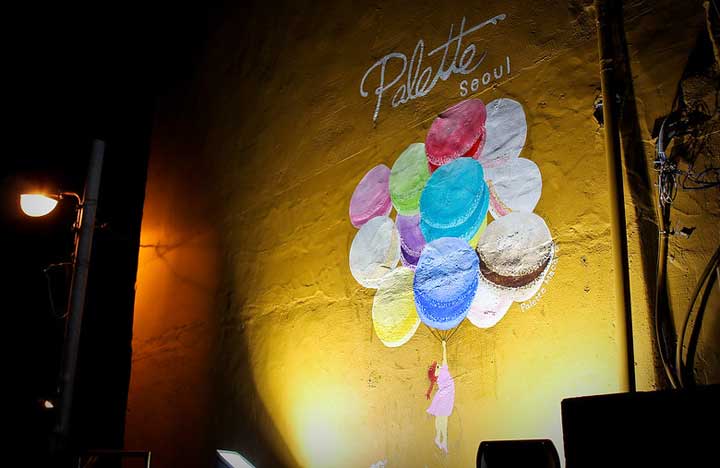
    I love macarons. Like seriously love them. However, I often associated them with France of South Korea, but the macarons are designed so elegantly and with such intricate designs. Cute bears or fruit layered macarons are as tasty as they look.

    17. Try Some Sweet Potato Latte

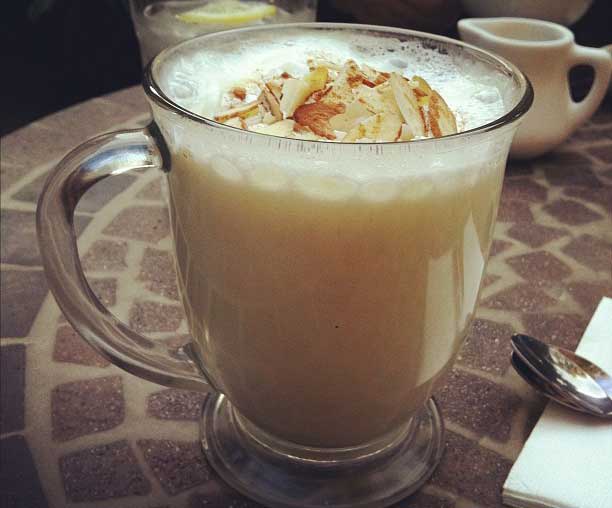
    I’m not saying you will love it, but this local delicacy is found in virtually every coffee shop and is something you can’t get back home so is worth a try. Plus the lack of caffeine also means you can try it in the evening without being kept up all night.