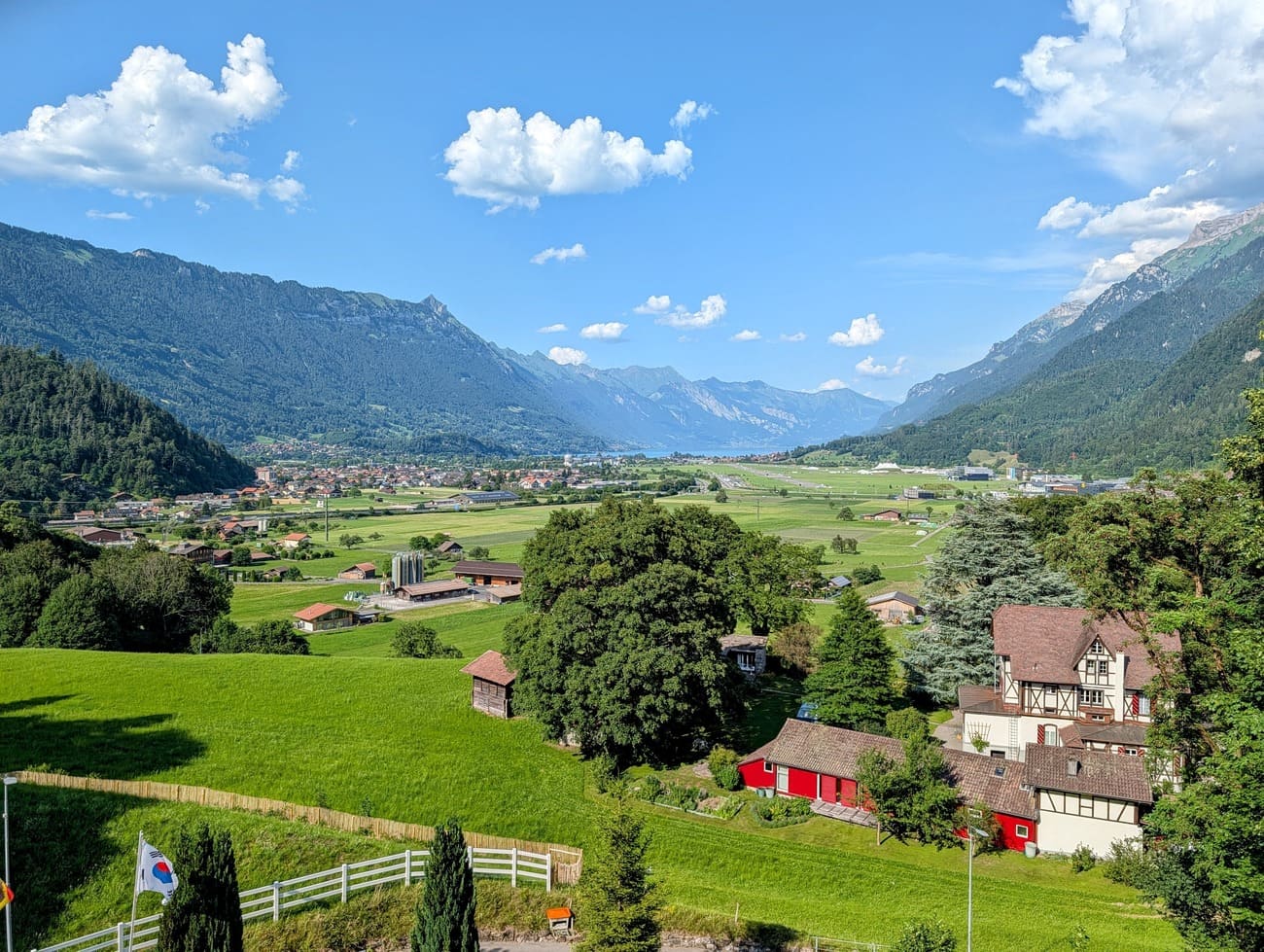
Unlike many of my other articles, this one is a bit more of a research piece. Travelling across Switzerland, it was fascinating to me that the locals all had such high wages, the country attracted the wealthiest tourists and that the shops offered luxurious items.
I began asking locals, researching papers and reaching out to historians, as I wanted to learn how Switzerland became what it is today.
The History

It’s important to understand that Switzerland wasn’t always a wealthy country. In fact, up until the 19th century, Switzerland wasn’t considered a particularly wealthy country and residents worked predominantly in agriculture. They weren’t blessed with oil fields or other natural resources.
However, the big transformation occurred in the latter part of the 19th century, when the industrial revolution led to the local production of machinery, chemicals, pharmaceuticals and textiles.
The lack of natural resources is also believed to have pushed Swiss residents to become highly skilled at producing certain products, such as watches and a strong focus on financial services, not to mention specialised foods we all love (Swiss chocolate anyone?).
Political Landscape

For a business to flourish and for wealthy individuals to feel comfortable, they require stability. Wars abroad might make a lot of people money, but you don’t want them in your own backyard.
People make jokes about being ‘as neutral as the Swiss’, but it’s a smart political position they introduced and was internationally recognised from 1815.
For their residents, it meant a long established political system in place and a stable legal system, which might seem common now but it wasn’t so common back in the 19th century. The taxation levels were predictable and people didn’t have to worry about currency instability.
Of course, this isn’t to say they weren’t involved in any European wars through that time, sometimes controversially, with evidence that they would handle gold transactions with the Nazis during WWII.
Pharmaceutical Exports

If I asked you what Switzerland was famous for or what helped to build up their economy, I would expect to hear you talk about watches, chocolate and banking. I would be impressed if you mentioned chemicals, as it’s not as well known, but this accounts for around 50% of Swiss goods exports.
The growth of modern medicine saw a few companies absolutely explode with wealth, while in Switzerland you’ll find the likes of Roche and Novartis.
Watch Creation

Swiss watches are often perceived as the best in the world (whether you agree with that opinion is down to personal views). A Rolex can actually increase in value, making them an asset, especially if only a few of a certain type are made.
A remarkable 24 billion CHF (22 billion pounds) was earned from watch sales in 2022, including the likes of Rolex, Omega, Patek Philippe, Audemars Piguet, Vacheron Constantin and Jaeger LeCoultre, just to name a few!
As we walked through the streets looking for a good restaurant to eat in, I was astonished by the amount of watch shops, but it was clear people were travelling over to Switzerland wanting to buy them, seeing tourists walking out with watches that must have cost them over £10k.
Banking

Well this was always going to come up. It’s my stereotypical view of Switzerland, which was changed quite a bit once I visited and my mind became focused on the stunning landscapes and cows roaming the hills, but I went in thinking everyone worked in financial services.
Geneva had grown into a financial centre for the world over time, with strong international trading connections, but in 1934 they passed a secrecy law, which really did boost the international investments, as people wanted to cover their tracks on where the money came from and went to.
While Geneva became a hub for private banking and commodity trading, Zurich went a slightly different way, with the growth of commercial banking and insurance firms.
Casinos and Gambling
Switzerland has casinios in cities across the country, including Zurich, Lucerne, Basel, Bern, Interlaken and Montreux. These became a key visitor attraction for the wealthy.
In fact, one local explained to me that they see people fly in purely to visit the casino, before flying off somewhere else. That seems crazy to me, but I guess I’m working to a different financial budget.
The casinos offer two versions to customers. You have the general public, like myself, where you can visit, providing you’re smartly dressed, playing some games of blackjack and poker, before heading on. The other type is the more exclusive experience, where you’ll be looked after from the moment you arrive to the moment they have rinsed your pockets dry.
You can expect spa treatments on-site, live shows and entertainment, plus the big sporting events are shown here as well.
Of course, it’s important to understand (if you’re tempted to visit the casinos) that they do tightly regulate them and there are a number of online casino licensing rules that you have to stick to.
The Low Crime
One of the benefits to everyone having enough money to live off and not struggling to get by is that the crime rate drops. I didn’t see one homeless person the entire time I was in Switzerland, whereas in Brighton I’ll maybe see between 10-20 per day when walking through town.
This isn’t to say there is no crime in Switzerland, but much of it might be happening in financial situations, from money laundering to shady bank deals, rather than street crime.
Of course, a low level of crime also means people feel safe to visit, which then in turn attracts a more wealthy customer base, again building further wealth in the area. I would always exercise caution when abroad though, make sure to look out for pickpockets.
Skiing Holidays
I went to Chiswick School when I was younger, while the students were a strong mix of wealth status, as you had the Chiswick kids who grew up in mansions worth over £1 million, then you had the rest from neighbouring areas, such as myself, who didn’t share the same walk of life.
All the rich kids at school would go on these lavish skiing trips, while I would get to visit the local park, equality at its finest. Anyway, off my childhood rant, the point is that the Swiss Alps is one of the most popular spots for skiers, of which you do tend to attract the rich and wealthy who can afford to stay in these expensive chalets.
The ski resorts will often have watch stores nearby, again to try and sell to the rich tourists vistiing the country.
To protect locals against the wealthy visitors buying their houses as holiday homes in the hills, Switzerland introduced a rule called Lex Koller, which prevented certain foreign people from buying these homes, or at least to try and reduce the amount that were sold, as there aren’t many available. The lack of properties available in these areas also means the prices shot through the roof, making those residents very wealthy in itself.
Swiss Wages
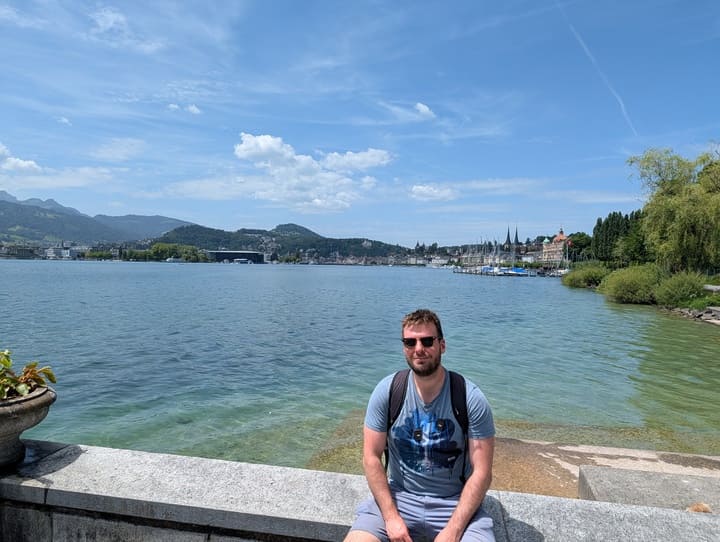
I don’t want to write down the exact median gross salary for full time employees in Switzerland, as the number will change over time and also, it just made me feel like crying.
But if you want a general idea, it’s about double the UK median. That is unbelievable. Needless to say, this allows for a much more comfortable life. It also means, when they go abroad on holiday, they certainly can make their money stretch.
To offer an idea, we went for a meal at lunch time at a ‘low cost restaurant’ in Lucerne, the average price of the meals were between £25-£50, back home I would expect 3 courses for that amount of money, plus hopefully some change.
People predominantly work in high value industries, hence the high wages, while they’re also seen as highly productive, in that the value they bring is worth a strong amount and therefore they deserve the higher wage.
Universities and continued education aren’t as popular as in the UK, with many opting for apprenticeships, where they can start work with a company in these high value industries and quickly gain the required skills to work their way up.
The tax system was a lot more complicated that I expected, with it largely depending on whether you’re in a low tax canton, however in general the percentage seems to be lower than the UK. Having said that, they do have to pay for health insurance, while both housing and childcare seem to be more pricey than in the UK.