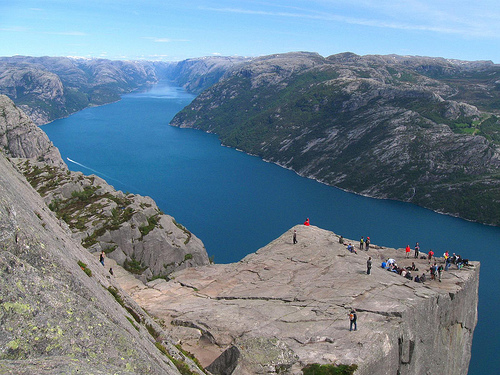
Norway has long been a country that fascinated me. The Geirangerfjord, the scary climb up Preikestolen and the Lofoten islands are places that I’ve admired for so long.
I grew up going to Viking and Saxon re-enactments in York (yep, I was a nerdy kid), while I always rooted for the invading Vikings, oops. Then when the History channel series on Vikings came out, I was well and truly glued.
If you’ve ever been curious like myself, then I hope you’ll find this a fascinating read, diving into Norway’s Viking legacy.
Who Were The Vikings
They originated across Scandinavia between the 8th and 11th centuries, hence why these sets of countries have such a bonded past and strong cultural connections today.
A large proportion were traders, but they were more famous for their warriors as they pillaged towns across Europe. Their excursions took them all over the world, from North America to the Middle East, but it was their trips to Britain that dominate most of the tales.
It’s important to separate the stereotypes that have emerged over time from the factual details. For example, they didn’t wear those horned helmets that I saw the actors wear in the York re-enactments.
Also, as mentioned, many of the Vikings were settled, either working as fishermen or traders. Nowadays they are remembered for all being violent warriors, but trade was the biggest aspect of their trips.
If you’ve watched Erling Haaland banging in the goals all year, then you’d have the image many people have of a traditional Viking, with long blond hair and a giant physique. But this was also inaccurate. Many had dark hair, while the skin tone would also vary, so the image portrayed in books and movies isn’t very accurate.
That’s not to say everything you read as a child was wrong. They were renowned as sailors with powerful vessels, they would raid monasteries and do terrible things to the priests, while they did also believe in the Norse gods and would fight for a death in Valhalla.
Oslo’s Viking Activities & Experiences
The Viking Planet is easily the main attraction I can highlight, the world’s first digital Viking museum (apparently). The technology they’ve adopted is really cool, from holograms of warriors to a 270 degree cinema so you can feel fully immersed into the experience.
If you’re a traditionalist, then you may prefer the Historical Museum rather than the tech from the Viking Planet. Inside the Historical Museum are thousands of artefacts from this era, from weapons they would have used in battle to fishing tools and jewellery they wore.
There are a large number of Oslo tours available, which will allow you to see everything from nature to the Akershus fortress and the Oslo opera house.
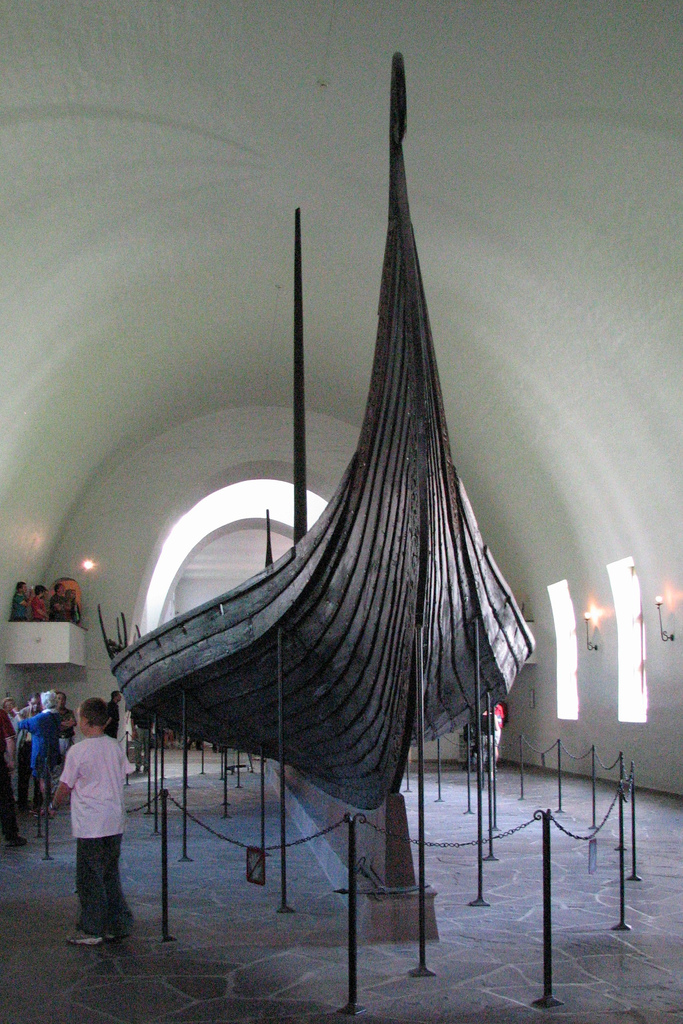
For me, one of the things that intrigued me the most was their ability at sea, to build the best boats and travel so far on them. You can find the Viking Ship museum in Oslo, including one ship which is over 1,200 years old and well preserved. It was actually used as a burial place for two powerful women.
The Lofotr Viking Museum
Located in Borg, this museum is actually held in an important position, as it was where a Viking chieftain’s farm and village were excavated and reconstructed.
Open between 10am and 5pm, 7 days a week, inside you will find a visitor centre, the Chieftain’s house (made up to look like how it would have at the time), a museum store where you can pick up some souvenirs and a restaurant serving hot and cold dishes.
If you want to get into the experience then you should get the lamb soup and drink some mead. But for those a bit more fussy, you can settle for pancakes and the usual fizzy drinks you’d get in any cafe.
In the museum, you’ll find a replica Viking ship, which as I previously mentioned, I find fascinating and would love to climb into.
They also have archery sessions in the harbour area, while if you have kids then they have to be at least 6 years old to participate. But honestly, I would love to try this! Archery looks so much fun, I tried signing up to lessons last year but the distance was quite far to travel to and on a Sunday at 9am, not sure my hangover could take that.
The archery classes and axe throwing (minimum 8 years old) run during the summer season, so this is seasonal and should weigh into your plans on the time to visit.
Avaldsnes
I’ve covered some fun immersive experiences and a modern tech-focused museum, but this one is a village of historical importance, due to its geographical location, critical for trade and navigation.
It also has the name ‘Norway’s oldest royal seat’, meaning a king’s main area they live or the base of their power. Unlike the kings we have on British shores, the Viking ones would travel around, not staying permanently in one city.
The first king of Norway was Harald Fairhair, who saw this as his base, overlooking the Karmsund Strait.
This spot is included in most of the best trips to Norway, especially for those that are embracing the Viking history aspect into their holiday. If Oslo is your base, your best route over is by flight to Haugesund. The flight takes just under an hour, weather permitting, while you then just have a 10 minute taxi ride on the other side, or you can take the local bus if you’re looking to save money.
If you’d prefer, you can drive from Oslo, but that will take a hefty 7 hours, no thanks.